Home / Blogs / What to Wear in Dubai
What to Wear in Dubai: Dress Code Guide for Tourists in 2026
UAE planning10 min read
One of the most searched questions before any Dubai trip is: what do I actually wear? It is a fair question. Dubai is a modern, cosmopolitan city, but it is also rooted in Islamic culture and has social norms that differ from most Western countries. Get the dress code right and you will feel comfortable everywhere you go. Get it wrong and you might find yourself denied entry to an attraction or drawing unwanted attention. This guide on what to wear in Dubai covers every situation you will likely encounter as a tourist in 2026.
The General Rule for Tourists
Dubai does not expect tourists to dress like locals, but it does expect respectful dress in public spaces. The unwritten rule is simple: avoid anything overly revealing in public. This means no bikinis on public streets, no very short shorts in malls or markets, and no transparent clothing in areas that are not designated beach zones.
Within designated tourist areas, resorts, beaches, hotel pools, and many rooftop bars, you have considerably more freedom. Context is everything when figuring out what to wear in Dubai.
What to Wear at Mosques in Dubai
Mosques are the strictest environment when it comes to dress code. The rules are non-negotiable:
- Women: full-length clothing covering arms and legs, plus a headscarf to cover the hair
- Men: long trousers and a shirt with sleeves — no shorts or sleeveless tops
- Both: remove shoes before entering
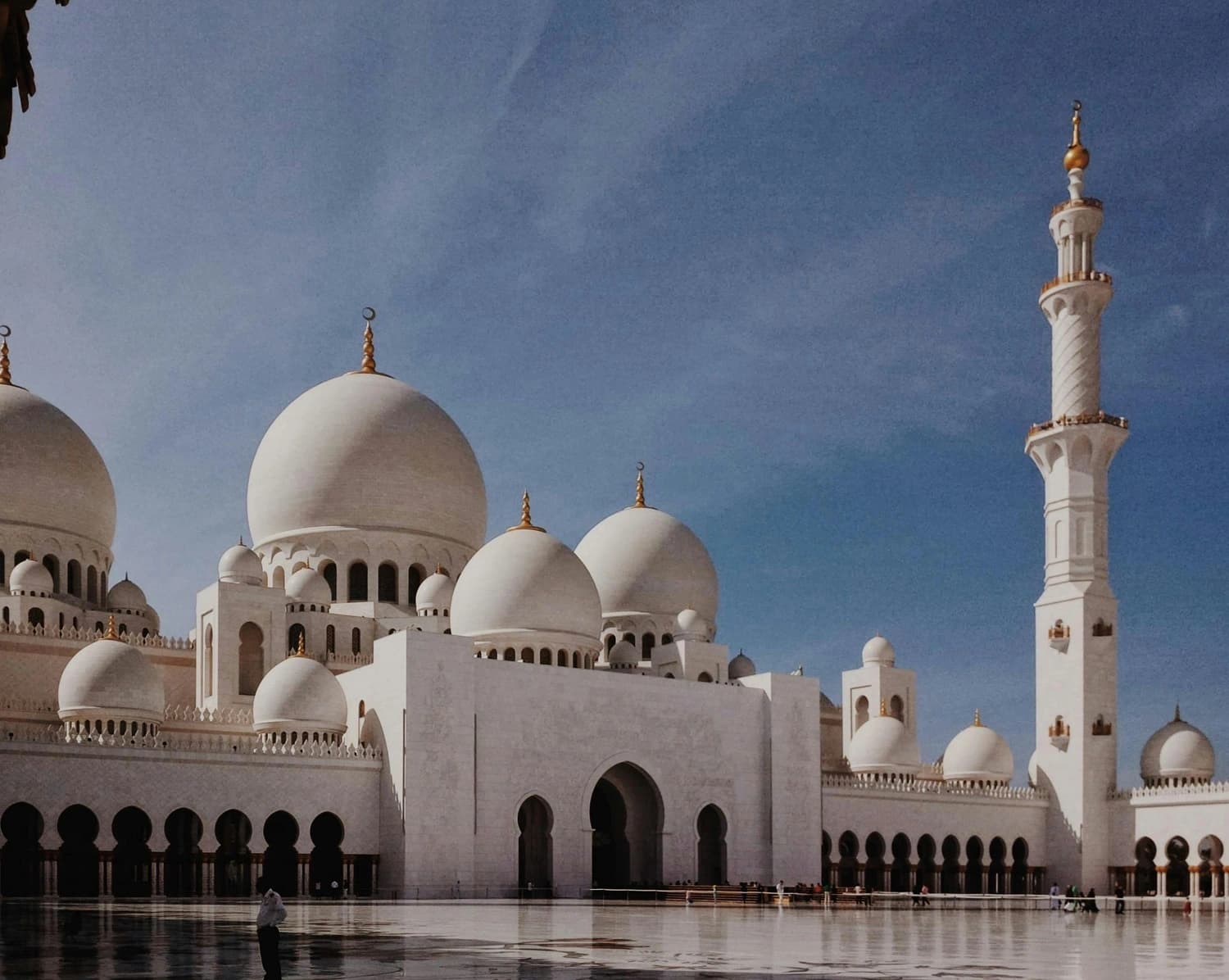
The most visited mosque for tourists is the Jumeirah Mosque in Dubai, which runs regular guided tours for non-Muslims. Abayas and headscarves are available for loan at the entrance, so you do not need to bring your own. The same applies to the Sheikh Zayed Grand Mosque in Abu Dhabi if you are doing an Abu Dhabi day trip.
If you are doing a Dubai desert safari that includes a cultural camp experience, some camps also request that guests dress modestly during the evening entertainment — our desert safari guide covers this in detail.
What to Wear at Dubai Malls and Shopping Areas
Dubai's shopping malls are air-conditioned, busy, and very cosmopolitan. You will see every style of dress imaginable at Dubai Mall or Mall of the Emirates. The general guidance:
- Shorts are fine for both men and women, but keep them at a reasonable length — mid-thigh or longer is recommended
- Sleeveless tops and T-shirts are acceptable
- Avoid clothing with offensive slogans or imagery
- Very short mini skirts or micro-shorts can attract unwanted attention in more conservative areas
In practice, most Western tourists wear what they would in any European city and encounter no issues at the malls.
What to Wear at Dubai Beaches
Beaches in Dubai are divided into two categories: public beaches and hotel or resort beaches.
Public Beaches (JBR Beach, Jumeirah Beach, Kite Beach)
Swimwear, including bikinis and swimming trunks, is perfectly acceptable at public beach areas. This is one of the great things about Dubai: you have the freedom to dress down at the beach while being expected to cover up when you step off it. Do not walk from the beach into a shopping mall or restaurant in your swimwear — change before heading into non-beach areas.
Hotel and Resort Beaches and Pools
Full swimwear freedom applies. Bikinis, tankinis, swim shorts, and anything appropriate for a beach resort are fine.
What to Wear in Old Dubai (Souks and Heritage Areas)
The Gold Souk, Spice Souk, Al Fahidi Historical Neighbourhood, and the Deira areas tend to be more conservative than the modern parts of the city. Here, the dress code expectation is closer to the general rule: cover shoulders and knees.
Lightweight linen trousers, maxi skirts, and loose long-sleeved tops in breathable fabrics are ideal for exploring these areas, especially in the heat. Our top things to do in Dubai guide includes several stops in these heritage areas, so it is worth packing at least one outfit specifically suited to these spots.
What to Wear on a Dubai Desert Safari
A desert safari is one of the most popular experiences in Dubai. What you wear matters both for cultural reasons and practical comfort:
- Comfortable, loose clothing — avoid tight jeans during dune bashing as the movement can be uncomfortable
- Light layers for the evening — desert temperatures drop significantly after sunset, even in winter
- Closed-toe shoes or sandals with straps — flip-flops are not ideal for sand dunes
- A light headscarf or cap is useful to protect against blowing sand
Women do not need to cover their hair during a desert safari unless you are attending a cultural prayer segment. Modest casual dress is perfectly appropriate for the BBQ dinner and entertainment portions of the evening.
The Dubai dress code guide on Culture Trip offers additional visual guidance if you want to see how different dress styles translate in practice.
What to Wear During Ramadan
If your visit falls during Ramadan, the Islamic holy month, the dress code expectations increase slightly across all public areas, not just mosques. During Ramadan:
- Dress more conservatively in malls, markets, and public streets
- Avoid eating, drinking, or smoking in public during daylight hours
- Music should be kept low in vehicles and public spaces
Checking the best time to visit Dubai guide includes noting when Ramadan falls each year, as it moves approximately 10 days earlier annually and significantly changes the atmosphere and opening hours of many venues.
Dubai Packing List: What to Bring
Here is a practical packing list based on what to wear in Dubai across different scenarios:
- 2 to 3 light linen or cotton outfits for sightseeing and markets (covering knees and shoulders)
- Swimwear for beach and pool days
- One smart casual outfit for nicer restaurants or evening dining
- Comfortable walking shoes — you will cover a lot of ground
- A light cardigan or jacket — malls and restaurants are often very cold with air conditioning
- A headscarf or shawl for women (for mosques)
- Sunscreen, sunglasses, and a hat for outdoor sightseeing
If you are travelling as a family, the same rules apply to children, though younger children have more flexibility. Our Dubai with kids family guide has specific packing tips for families travelling with toddlers and school-age children.
Conclusion
Figuring out what to wear in Dubai is not complicated once you understand the simple logic behind it: conservative in cultural spaces, relaxed at beaches and resorts, and smart casual everywhere in between. Dubai is one of the most welcoming cities in the world for international tourists, and following the dress code is a small, easy way to show respect for the culture while enjoying everything the city offers.
Whatever you pack, prioritise lightweight and breathable fabrics — Dubai is warm, and you will be grateful for every light layer. Once your wardrobe is sorted, start planning the experiences themselves. Our top things to do in Dubai guide is a great place to begin.
Frequently Asked Questions
Can women wear shorts in Dubai?
Yes. Shorts that reach mid-thigh or lower are fine for malls, tourist areas, and restaurants. Very short shorts are best avoided in more traditional or conservative areas like the souks or near religious sites.
Do you have to cover your head in Dubai?
Only when entering a mosque. Outside of religious sites, women are not required to cover their hair anywhere in Dubai. The city is much more relaxed than many travellers expect.
Can I wear a bikini in Dubai?
Yes, at designated beach areas and hotel pools. Do not wear swimwear in public streets, malls, or restaurants. Always cover up when leaving beach areas.
What should I wear to a Dubai restaurant?
Smart casual works for most restaurants. Very casual clothing like beachwear or shorts paired with flip-flops may be turned away at upscale venues. For mid-range and budget restaurants, the dress code is relaxed.
What do men wear in Dubai?
Men generally wear shorts and a T-shirt for casual sightseeing, light trousers and a collared shirt for smarter occasions, and long trousers when visiting mosques. Vest tops and very short shorts are best avoided in conservative public areas.
